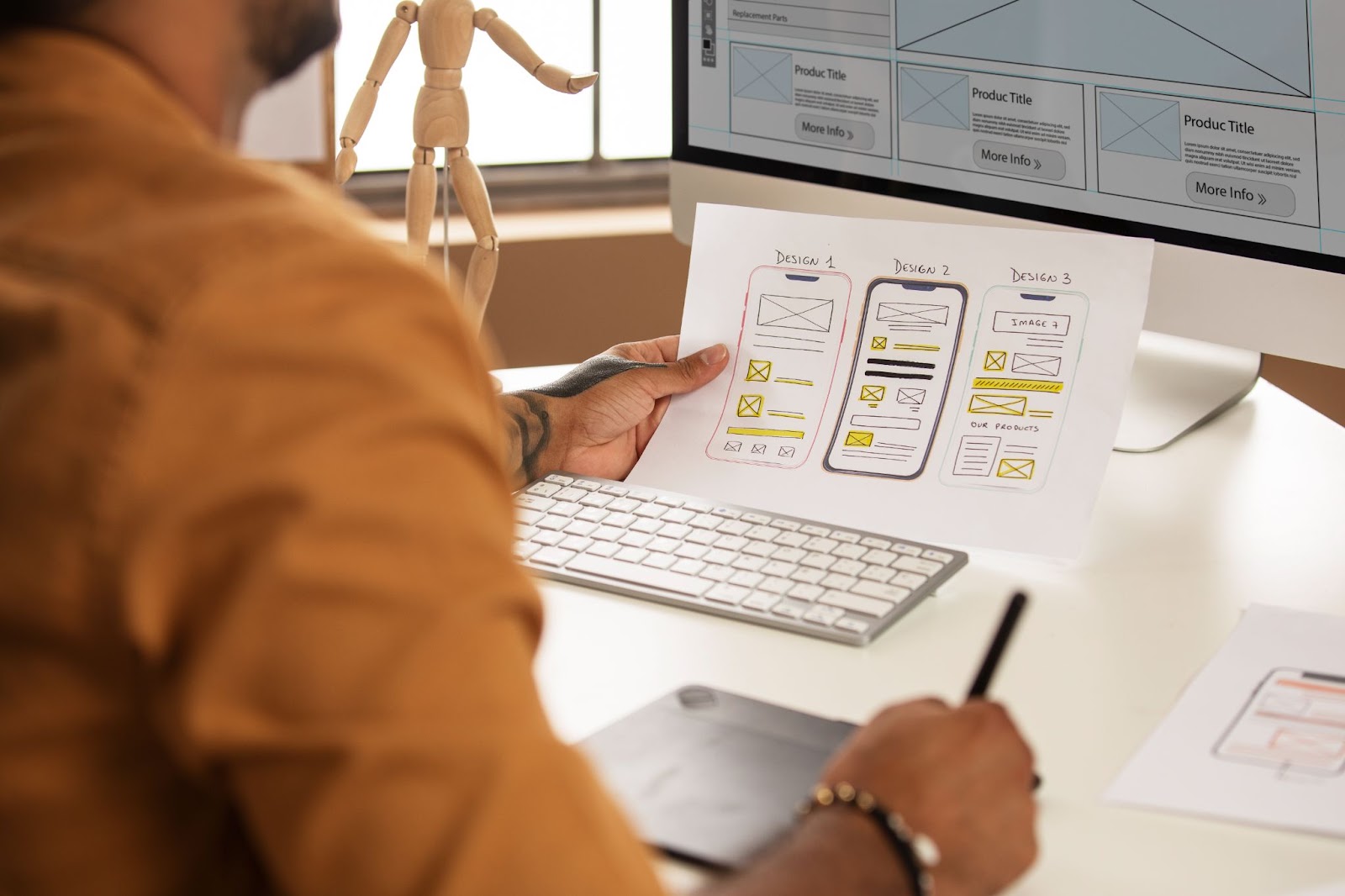
In today’s digital day and age, user experience (UX) has transitioned from being an optional feature to becoming an essential requirement. The seamless interplay between a user and a digital product, whether an app, a website, or a software interface, can be the difference between success and failure for any business. This blog post explores all about user experience experts, the trends, technologies, and trailblazers that are shaping the field of UX design today, and what this means for the future.
The Rise of User Experience Experts
In recent years, we’ve seen an increasing emphasis on the role of User Experience (UX) experts in digital product development. Equipped with a profound grasp of both technology and human psychology, these experts play a crucial role in developing interfaces that are user-friendly and intuitive. Their work is instrumental in ensuring that digital products meet user needs and provide an engaging and seamless experience that keeps users coming back.
Historical Perspective on UX
The field of user experience (UX) is rooted in psychology, computer science, and design. During the early days of the digital era, interfaces were largely utilitarian, with a focus on functionality over user-friendliness. However, as technology evolved and user expectations rose, the need for a more integrative, user-centric approach to design became apparent. This led to the birth of UX as we know it today.
Emergence of Specialized Roles
With the recognition of the importance of UX, specialized roles began to emerge. These include UX designers, who focus on crafting user-friendly interfaces; UX researchers, who employ various methodologies to understand user needs and behavior; and UX strategists, who align business objectives with user needs. Each role plays a crucial part in ensuring a product or service delivers a seamless and pleasurable user experience.
Current Landscape: User Experience Experts in Demand
In today’s digital landscape, UX experts are in high demand across all industries. Businesses recognize that a superior user experience can drive customer loyalty, increase user engagement, and enhance brand reputation. As a result, UX professionals are increasingly being seen as key contributors to business strategy and customer satisfaction. This trend shows no signs of slowing down, indicating a bright future for UX experts.

Trends in User Experience
In recent years, the field of UX design has seen a paradigm shift. The focus has moved from merely designing interactive interfaces to creating holistic experiences that are intuitive, personalized, and meaningful. Here are some key trends influencing UX design:
1. User-Centered Design
The end-user is at the heart of UX design. This approach ensures that all design decisions prioritize user needs, preferences, and behaviors, leading to more satisfying and effective user experiences.
2. Personalization
With the power of data, designers can create experiences tailored to each user’s unique preferences. Personalization is key to enhancing user engagement and satisfaction, from personalized content to adaptive interfaces.
3. Emotional Design
UX design increasingly recognizes the importance of emotional engagement. Design choices that evoke positive emotions can significantly enhance user loyalty and engagement.
4. Voice User Interface (VUI)
As voice-activated assistants become increasingly popular, designing for voice interaction is becoming a critical skill for UX designers.
These trends pave the way for more engaging, intuitive, and personalized user experiences, influencing how we interact with digital products and services.
Leading UX Experts
The field of UX design is constantly evolving, thanks to the contributions of several visionary experts. These leaders are shaping current practices and envisioning the future of UX design.
1. Don Norman
Often referred to as the father of UX, Don Norman has been instrumental in putting user-centered design on the map. His book, “The Design of Everyday Things,” is a must-read for anyone interested in UX.
2. Jakob Nielsen
Known as the king of usability, Nielsen has made significant contributions to the field of UX, including the development of heuristic evaluations and usability testing. His Nielsen Norman Group continues to lead the way in UX research.
3. Alan Cooper
Dubbed the “Father of Visual Basic,” Cooper’s work has centered around making technology more user-friendly and efficient. He is also known for his persona-based design methodology.
4. Irene Au
With a career spanning Google, Yahoo, and Netscape, Irene Au has been at the forefront of integrating UX design into the corporate world. Today, she is a Design Partner at Khosla Ventures, where she works with portfolio companies to make design a strategic advantage.
These experts’ insights and innovations continue redefining UX design’s boundaries, shaping the field’s future trajectory.

Emerging Technologies
With technological advancements, the possibilities for UX design are expanding exponentially. Here’s a glimpse at some technologies shaping the future of UX:
1. Augmented Reality (AR) and Virtual Reality (VR)
These technologies offer immersive experiences, opening up new avenues for UX design. These technologies, from virtual tours to AR shopping experiences, are revolutionizing user interactions with digital interfaces.
2. Artificial Intelligence (AI) and Machine Learning (ML)
AI and ML can analyze vast amounts of data to understand user behavior and preferences, allowing for unprecedented levels of personalization.
3. Internet of Things (IoT)
IoT devices offer a wealth of opportunities for UX designers, necessitating seamless, cross-device experiences and new forms of interaction.
These technologies are changing the way UX designers work and raising the bar for user expectations, demanding more intuitive, engaging, and personalized experiences.
Challenges and Opportunities
Like any field, UX design comes with its own set of challenges. Designing for diverse user groups, keeping up with rapidly evolving technology, and integrating user feedback into design iterations are some of the hurdles UX designers face.
However, these challenges also present opportunities. They inspire innovation, drive the development of new skills and tools, and foster a deeper understanding of user needs and behaviors.
The future of UX design is undoubtedly exciting. It promises a world where digital experiences are not just functional but also intuitive, engaging, and meaningful. As mobile UX consultants, UX strategy advisors, and UX design specialists, it is our job to stay ahead of the curve, anticipate user needs, and craft experiences that make a difference.
Conclusion
In this digital age, UX design is not just about shaping products or services; it’s about shaping experiences, shaping businesses, and, ultimately, shaping the future. As designers, technologists, or simply as users, we all have a role to play in this journey. So let’s continue to learn, innovate, and collaborate, for the future of UX is not just about technology but about people, about us. After all, we are the users, the experience, and the future.